

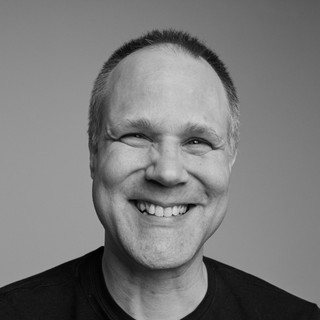
Žiga Jenko
Certified apitherapist (NPK) · About the author
This is the first note in a series on bee venom. I am writing it as an apitherapist who likes to separate what we know from the sources, what is tradition, and where history and science have parted ways. Links and references can be found below each article; numbers in square brackets refer to the sources at the end. I should add that we apitherapists turn to bee stings only at the very end, when there are no other options left. Of course, we must not administer them ourselves, as only a doctor may do so.
From ancient Egypt to the 19th century
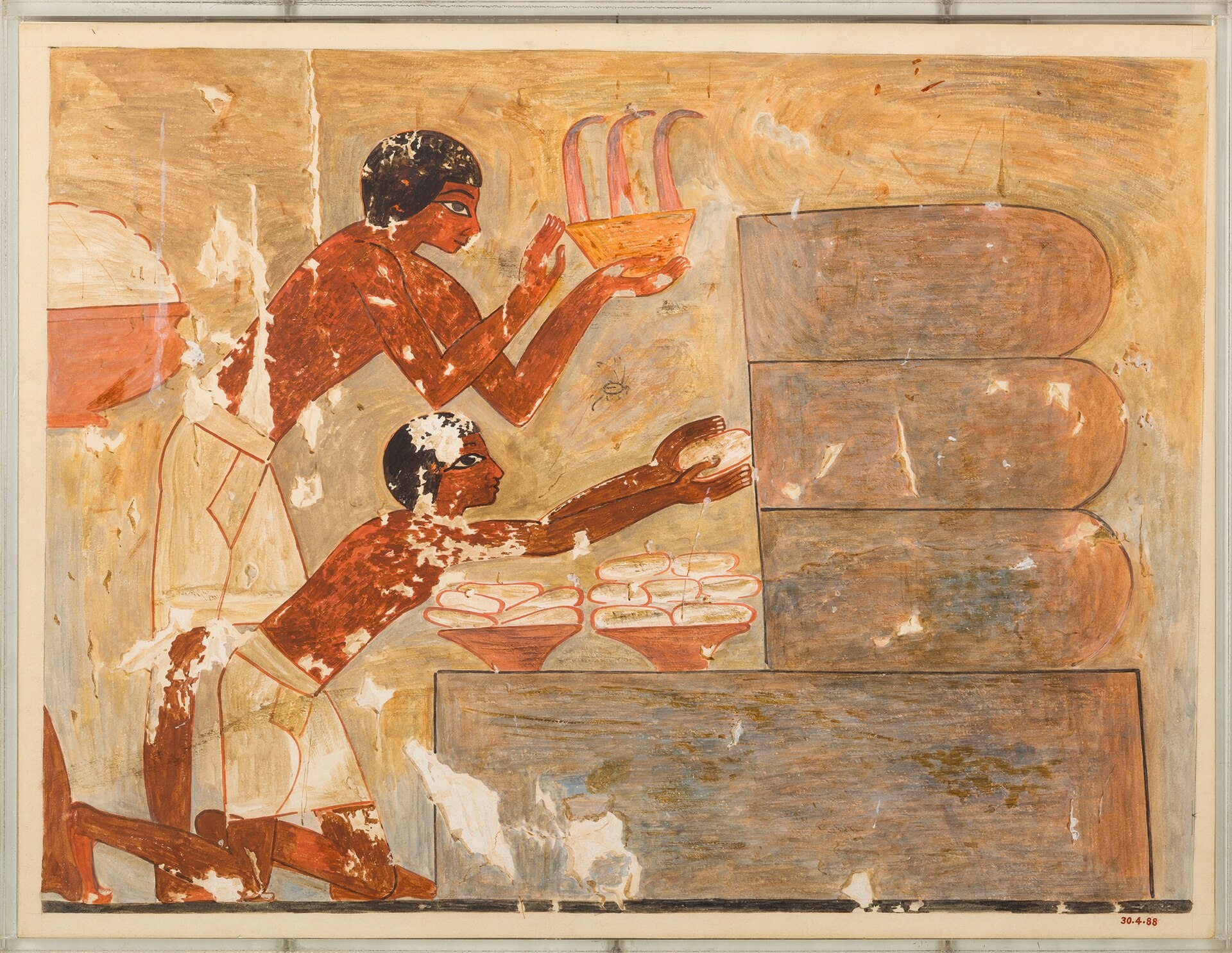
Bee products have been part of healing for a very long time. Simics writes that the ancient Egyptians let bees sting directly on the affected area for rheumatism, that ancient Greece and Rome had similar methods, and that Hippocrates (460 to 377 BC) also mentioned the healing power of bees [39]. Wikipedia states that apitherapy has been mentioned since the time of Hippocrates and Galen [15]. According to Simics, medieval Europeans mixed bee ash with oil and rubbed it into painful areas [39]. For centuries, people used the venom directly: they let a bee sting the place that hurt. Because the venom could not be collected, the therapy depended on a live bee and on the site of the sting [23].
Filip Terč and Maribor
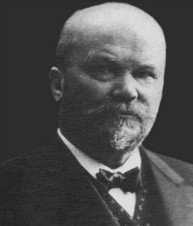
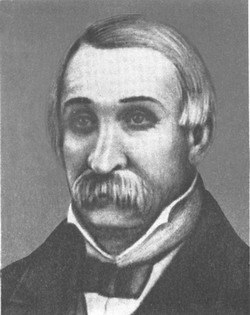
At the turning point stands Dr Filip Terč (1844 to 1917), a physician of Czech origin. He was born on 30 March 1844 in Prapořiště near Domažlice, studied medicine in Vienna and worked there as a clinical assistant at the General Hospital. In the summer of 1875 he moved with his family to Maribor, where he had a general medical practice and kept bees. Two years later he was elected president of the Maribor branch of the Styrian Beekeeping Society; he also taught beekeeping at the Maribor teacher training college and, among other things, helped to found the Narodni dom [41, 42].
He himself suffered from rheumatism. He noticed that the stings he could not avoid despite his protective clothing relieved his pain, and he then began treating patients with venom [41]. Between 1878 and 1887 he studied more than 170 cases [40]. From his first attempts in 1879 until 1912, by his own account, he treated around 660 patients, of whom 82% were said to have recovered (according to another source, 544 recovered completely, 99 improved and none got worse). He published his findings in 1888 in the Viennese journal Wiener Medizinische Presse in the article »Über merkwürdige Beziehung des Bienenstiches zum Rheumatismus« (On a remarkable relationship between the bee sting and rheumatism) [18, 40, 42].
Official medicine did not accept his work, so he no longer published in the professional literature, and his first contributions to the beekeeping press appeared only 25 years after his first experiments [41]. He predicted that his findings might be confirmed only after his death [40].
Terč was the first to systematically record and publish observations on treatment with bee venom, and that is why he is regarded as the founder of Slovenian apitherapy. In 2006 the international beekeeping organisation Apimondia declared his birthday, 30 March, International Apitherapy Day, and a street in Maribor is named after him [40, 41].
Bódog Beck: the man who gave the therapy its name
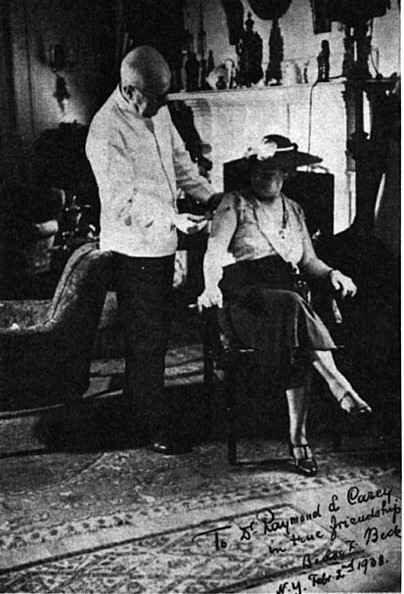
Bódog Felix Beck was born on 6 August 1868 in Baja, Hungary, and graduated in medicine in Budapest in 1892. By around 1902 he was already working in the United States, and in 1919 he became an American citizen. For many years he was on the staff of St Mark’s Hospital in New York and had a private practice on 58th Street. He died on 1 January 1942 in Kingston, New York [16].
Beck had known bees since childhood and later specialised in treating arthritis and rheumatic diseases with bee venom [16]. According to reports, he used between 20 and 75, or even 100, stings on a single patient, and kept his bees in hives outside the surgery. He also wrote that arthritis sufferers are almost insensitive to stings [16]. Mraz, who knew him personally, describes how Beck kept a hive in the surgery window and took the bees out with tweezers [31].
Beck also coined the term apitherapy. He explained it in the preface to his book (found in The Bible of Bee Venom Therapy, p. ix) [17]. He describes it as a new phrase and a compound word, a hybrid of Latin and Greek, and remarks that it is not to be looked for in the dictionary. The more correct word would be melissotherapy, but in his view apitherapy is more euphonious and concise, and the same root is already shared by a number of well-known and frequently used words: apiary, apiarist, apiarian, apiculture and apiology [17]. The word is therefore a compound: apis is the Latin name for the bee, and therapeia is the Greek word for treatment and care, so literally »treatment with bees« [39]. Melissotherapy would be entirely Greek, as melissa also means bee in Greek.
The first book: Bee Venom Therapy (1935)
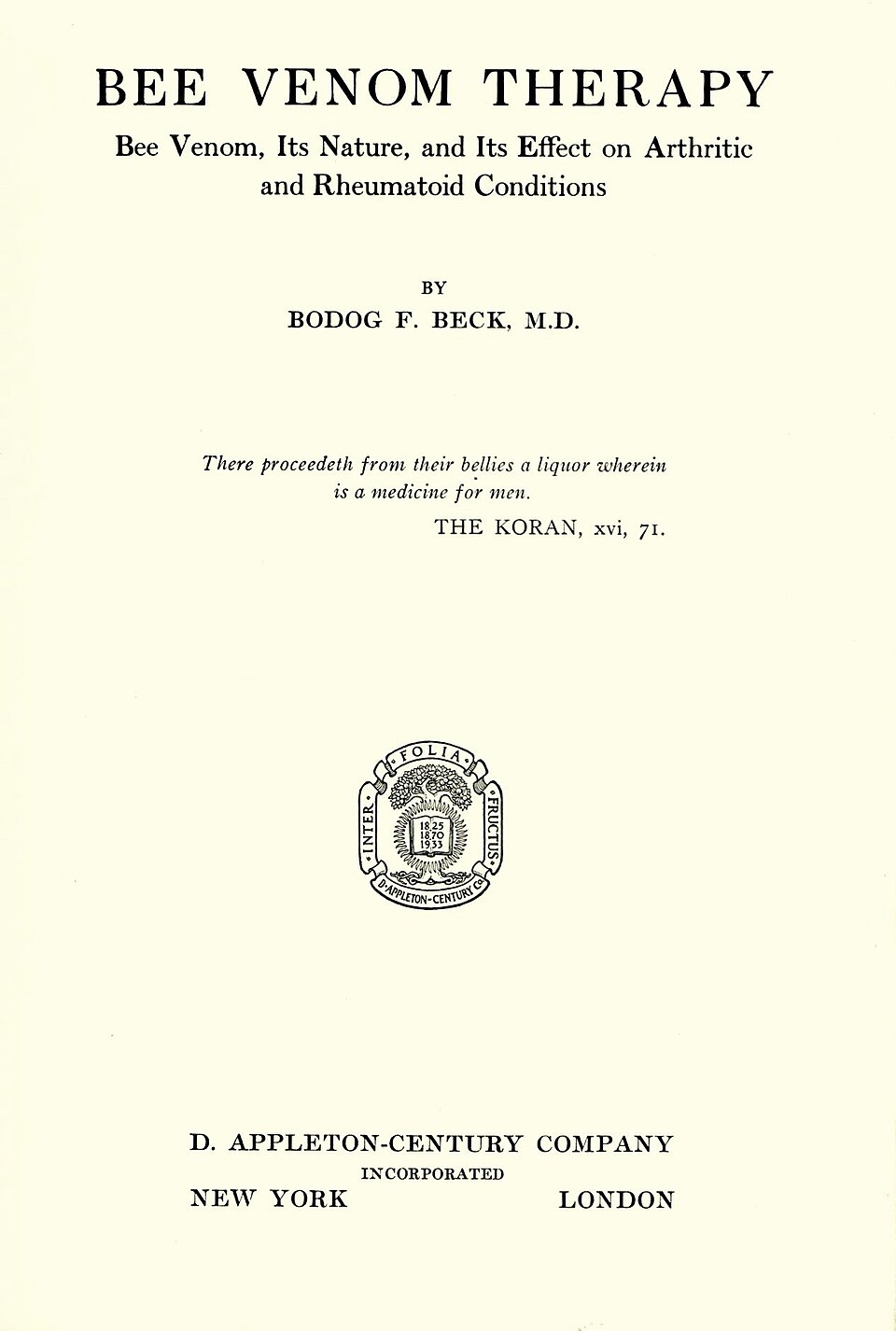
The book Bee Venom Therapy: Bee Venom, Its Nature, and Its Effect on Arthritic and Rheumatoid Conditions was published in 1935 by D. Appleton-Century in New York and has 238 pages [16, 17]. In 1997 it was reprinted by Health Resources Press under the title The Bible of Bee Venom Therapy [16]. For today’s reader it is interesting as a document of a time when apitherapy in the USA was still entirely on the fringes of medicine.
His work was criticised because his claims were not supported by scientific studies. Again, it is a record of experience and observations from the treatments he carried out. To this day there is no research proving that bee venom cures any disease [16].
Charles Mraz: Beck’s successor
Charles Mraz (1905 to 1999) was the son of Czech immigrants. He kept bees in Queens, and in 1928 he moved to Middlebury, Vermont, where he took over Phil Crane’s beekeeping business. In 1931 he renamed it Champlain Valley Apiaries, which is now run by the third generation of the family [32]. He worked with Alan Benton of Vespa Labs, who is mentioned as the first to build a device for collecting venom [32].
Mraz met Beck in 1935, after he himself had recovered from rheumatic fever, and later took over the care of his hive [31]. For more than 60 years he stung people for arthritis, and later also for multiple sclerosis and other autoimmune diseases. He helped to found the American Apitherapy Society [32, 33]. In 1992 the American Beekeeping Federation named him one of the five most distinguished beekeepers in the USA [32]. He wrote the book Health and the Honey Bee (1994). Today the CMACC course and conference (Charles Mraz Apitherapy Course and Conference) bears his name [33].
Mihály Simics: a Canadian apitherapist and his 1994 book
Mihály Simics (born 1955) is a Hungarian-Canadian apitherapist and venom collector from Richmond, British Columbia. His book Bee Venom: Exploring the Healing Power (Apitronic Publishing, 1994) has a foreword by the physician F. Logan Stanfield. The author states that he introduced venom collection by electrostimulation in Alberta, for the company Apitronic Services, which sells venom only to research institutions, chemical and pharmaceutical companies, pharmacies and doctors [39]. The book is a collection of summaries and reports from other sources, not primary research, so we read it as an overview of the state of knowledge up to 1994.
For history, it is interesting for two reasons. First, it lists a chain of authors: Demartis (1859), Terč (1888), Kretschy and Pollak (1928, the preparations Immenin and Apicosan), Forster (Forapin, 1935, and a cream in 1937), Beck (1935), Broadman (book 1962, tablets 1959) and Mraz [39]. Second, the second part of the book reviews »ready-made products« from nine European countries, for example Forapin in Germany, Austria and Switzerland, Melliora in Hungary, Apireven in Romania and Melissin in Russia [39]. Bee venom has been present in commercial products in Europe for quite some time. Recently it has also become more popular with people looking for natural solutions to their ailments.
The book contains some other interesting facts:
- The first electrical venom collection was developed in 1954 by Markovič and Molnár in Czechoslovakia, using a wire frame and a rubber membrane. The bees lost their stings and died, so the method was uneconomical. The modern glass-plate method, in which the bees do not lose their stings, is generally accepted today [39].
- In the 1930s, the company Heinrich Mack in Germany collected venom by having women in the apiaries use tweezers to make bees sting into absorbent paper [39].
- In Czechoslovakia in 1984, 128 beekeepers with 599 devices collected 24 to 25 kg of bee venom a year for the production of Virapin cream [39].
- Steigerwaldt (1966) treated 50 patients with joint problems with injections of the standardised venom Forapin, while 11 received a placebo. Pain stopped in 84% of those treated, but also in 55% of the placebo group [39].
Pat Wagner and the book How Well Are You Willing to Bee
Pat Wagner of Waldorf, Maryland, is known in the USA as »The Bee Lady«. She told her story on the television programme It’s a Miracle [47] and on her website [37]. In her own words, she noticed the first symptoms at about 16 (in 1967) and was diagnosed with multiple sclerosis at 19, in 1970. She was treated with steroids, which eventually stopped working. After the birth of her second child (1975) her condition worsened; in the end she was confined to a wheelchair and later to bed, and her doctor told her to put her affairs in order [47]. In 1992 her mother heard about a beekeeper who had treated his wife with venom for arthritis. The beekeeper, Bob Cory, came to her home, stung her once on the knee first and waited about 20 minutes to see whether an allergic reaction would appear, and further stings followed [47]. According to her account, within a few days her sense of warmth and her energy returned, within a few weeks the hearing in her right ear, and soon afterwards she was able to get out of bed on her own [37, 47]. According to her website, she received her first deliberate sting on 24 March 1992 [35, 37]. Her husband Ray learned to keep bees and to administer stings [47].
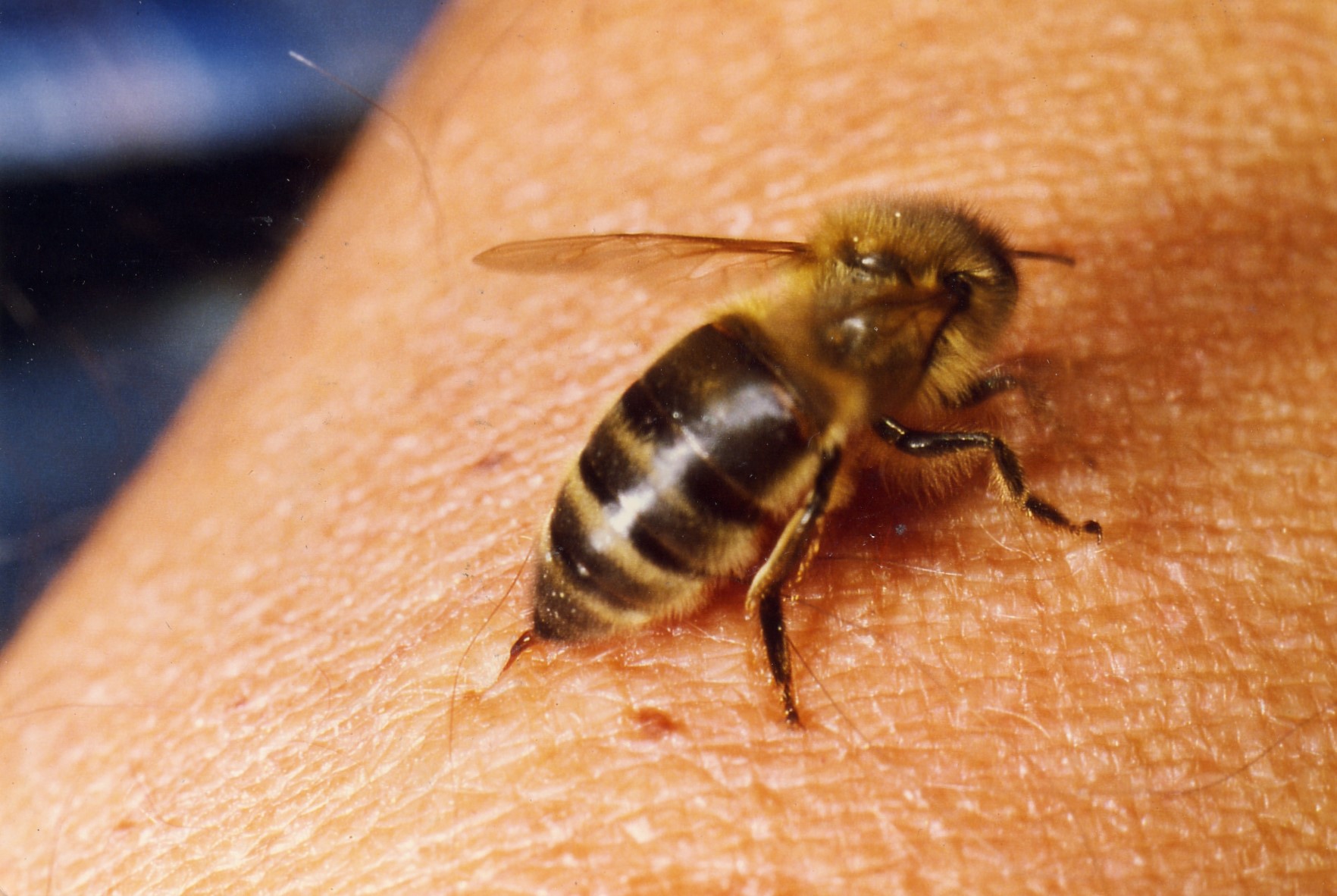
In the programme, her doctor, Dr Stuart Goodman, says that she improved clinically and that a repeat MRI showed no new lesions, while the old ones had shrunk [47]. She later ran a clinic at home, where she helps people with bee sting therapy, and says she has stung around 18,000 people [47]. At the same time she stresses that this is not a cure, at least for multiple sclerosis, but that the therapy has a beneficial effect on the person [47].
Simics describes her as a patient whose doctor told her in February 1992 that her medicines were no longer working and that there was no hope of her leaving her wheelchair, and who tried bee stings as a last resort. She summarised her experience in a text titled From My Personal Experiences and Observations, Here Are Some Suggestions You Might Follow Throughout Honeybee Healing (1993) [39]. She later wrote the book How Well Are You Willing to Bee? [35]; in the programme she says that in it she explains where to sting and which vitamins are helpful [47]. The American Apitherapy Society mentions her as a member who spoke about her experience with multiple sclerosis on national television and thereby greatly increased interest in the therapy [33].
The Soviet Union and Eastern Europe
In Eastern Europe, bee venom followed a different path than in the West. Apitherapy is more prominent in the East than in the West, and in Russia and China there are many clinics that include it in traditional medicine [40].
The Soviet Union
Nikolai Artemov (1908 to 2005), a physiologist at the University of Nizhny Novgorod, is regarded as the founder of scientific apitherapy. In 1941 he published a monograph on the physiological properties of bee venom and its therapeutic use. In 1957 the USSR Ministry of Health approved the use of venom for certain diseases, and in 1959 instructions for apitherapy with venom, written by Artemov and G. P. Zaitsev, were approved [44]. In his introduction, Mraz links the explanation of how it works precisely to Artemov’s work from the 1960s [31]. In the 1950s the physician Naum Ioirish coined the term »medical beekeeping«; doctors and biologists considered it exaggerated, but it was approved by the scientific council of the Ministry of Health [46]. A more recent chronicler of apitherapy in Russia is Vasily Krylov (died 2018) of Nizhny Novgorod, who from 1997 headed the Russian Coordinating Council for Apitherapy and wrote books on bee venom (1995, 2002) [45].
Among the advocates of bee venom treatment in the USSR, an ethnobiological study also mentions the physician Naum Ioirish (1905 to 1978), who from 1938 researched the use of honey and venom, developed honey baths and local treatment with stings, and published more than 200 articles. At the end of the 1950s the USSR began to promote the use of bee products for treatment on a large scale, and some state apiaries specialised in venom production [57].
Romania
The Romanian book Apiterapia în România states that Romania was among the first countries with an organised apitherapy service within a research programme; organised interest in apitherapy is said to date back to around 1960 (V. Harnaj). A medical section for experimental and clinical apitherapy was set up at the Beekeeping Research Institute in Bucharest, and in 1972 the Bucharest Apitherapy Centre was opened [43]. Dr Alexandru Parthenius proposed venom treatment for obliterative arteriopathy, rheumatism and bronchial asthma. Around 30 patients were followed for at least three years, with about 1,000 stings per patient, and it was concluded that the venom does not harm the liver [43]. In 1976 Bucharest hosted an international symposium on apitherapy [43], and the Romanian preparation Apireven is also mentioned by Simics [39].
For us it is also interesting that in 1978 an international symposium on apitherapy with 76 papers was held in Portorož, where work on bee venom from Romania and the Soviet Union was also presented [43].
Bulgaria
In Bulgaria, the physician Stoimir Mladenov wrote a book on bee products as food and medicine [46] and was one of the leading apitherapists. In 1989 a national conference on apitherapy was held in Sofia [43].
Ukraine
Until 1991, the Soviet story above also applies to Ukraine. Of the sources available, the best documented is the practice in Lviv, shown in a presentation by the Department of Alternative Medicine and Rehabilitation at the Danylo Halytsky Lviv National Medical University (40-minute video, published in 2017).
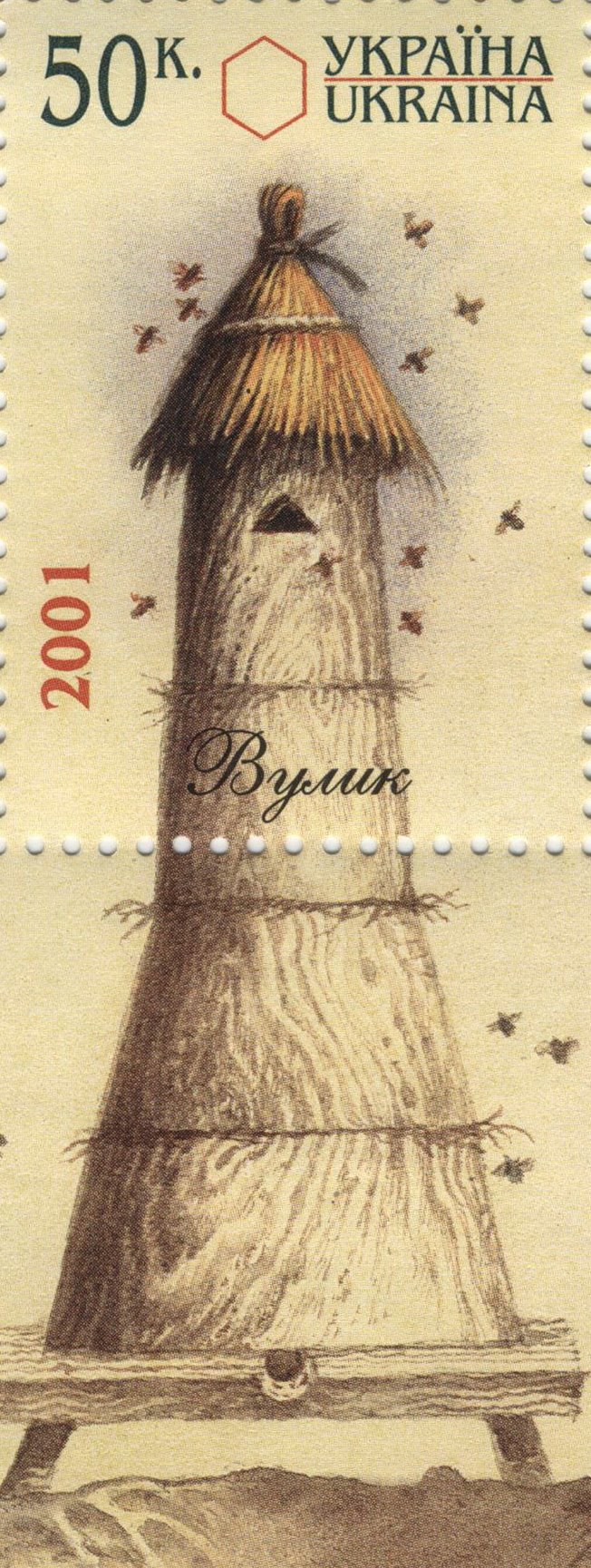
According to the recording, the physician Ivan Pylypchuk, a physiotherapist and apitherapist, used bee venom from 1979. In his own words, in 1981 he founded the world’s first apitherapy department, in 1991 a private healthcare institution, and in 1993, together with Assoc. Prof. Andrii Labinskyi, a Department of Alternative Medicine at the university, which operated on the basis of his institution.
He is said to keep more than a hundred bee colonies for treating patients [56]. The department teaches doctors (neurologists, cardiologists, general practitioners) more than 20 non-pharmacological methods, including apitherapy, acupuncture, manual therapy and phytotherapy. Doctors come to them from Kyiv, Rivne, Poltava and Chernivtsi, and cooperation with Poland and other neighbouring countries was also planned. The Department of Pharmacology of the same university is said to have worked with Pylypchuk for about 20 years on research into the mechanism of action of the venom [56].
In the recording, Pylypchuk claims that the venom improves nerve conduction four to five times, destroys altered cells but not healthy ones, and reduces the harmful effects of radiation four to five times. On dosage, he says that one sting is not a problem, a toxic effect is said to appear at around 100 stings at once, a strong one at 200 or more, the lethal dose is said to be around 300 stings, and beekeepers are said to tolerate 500 to 1,000 stings at once [56]. I should point out that the brochure of the Slovenian Beekeepers’ Association gives around 600 stings as the lethal dose for an adult [23], so these figures must not be taken as guidance for practice. As contraindications, the recording lists allergy to venom and bee products (honey, pollen, propolis) and acute infections [56].
In the recording you can see patients with multiple sclerosis, glaucoma, osteochondrosis, headaches and other problems who report improvement. A person with multiple sclerosis says that their condition worsened after a little over two years, following a break in therapy and a cold. These are testimonies in a promotional video; I found no published measurements, so we do not read them as evidence of effectiveness.
A picture of clinical practice is also given by the Ukrainian television programme Apitherapy | Made in Ukraine (UATV English). It presents a doctor-apitherapist with a clinic who treats patients with live stings, including people with multiple sclerosis and Lyme disease. According to the programme, around 200 stings per cycle are enough for most diseases, but more than 700 for multiple sclerosis and Lyme borreliosis; the stings are cooled, and a honey massage is added. They also say that multiple sclerosis cannot be cured completely, but it can be slowed down [54]. The programme is a presentation based on testimonies of experience.
The private Kozyavkin Medical Centre in Lviv describes apitherapy on its website as a complement to rehabilitation. They use wax and paraffin wraps (a mixture of 1 kg of wax, 20 g of honey and 5 g of propolis extract), and apply bee venom to the areas of joint spaces, contractures, trigger points and painful points on the periosteum, after a prior allergy test [60].
In their review, the authors Solodenko and Geveliuk of the Apiacademy in Kyiv state that bee venom treatment was known in Ukraine in ancient times, giving as an example that in the 11th century Yaroslav the Wise successfully overcame gout with bee stings. They also write that in the 19th century Mechnikov researched the use of wax moth larvae for tuberculosis, that Academician Tikhonov of Kharkiv University developed medicines from bee products, and that the Prokopovych Institute of Beekeeping in Kyiv has an apitherapy department and a museum. They advocate introducing apitherapy into medical studies, building a clinic in Kyiv and new instructions for the use of venom, and also state that with the help of the Apiacademy, bee houses have already been built in Poland. The text is a review by authors who themselves work in this field [64]. The authors point out that legislation prohibits beekeepers from stating health effects [57].
The East: China, Korea and India
Bee venom also has an Eastern history, but it is less accessible online than the European one. In 2018 the Chinese news agency Xinhua wrote that bee sting therapy in China has a history of more than 2,000 years [51]. In traditional Chinese medicine, the bee sting is linked with acupuncture: according to a doctor at a traditional Chinese medicine hospital in Shenzhen, the venom from the stings stimulates acupuncture points and enhances their effect [51]. Simics calls this apipuncture. The venom can enter the body in three ways: the insect stings directly into the acupuncture point, a drop of venom from the sting is applied to the tip of an acupuncture needle, or the needle is pushed through a drop of venom [39]. Simics also cites a Chinese doctor who from 1962 treated 3,015 patients with impotence with venom, and Dr Fang Zhu, who is said to have led a state-supported research programme [39].
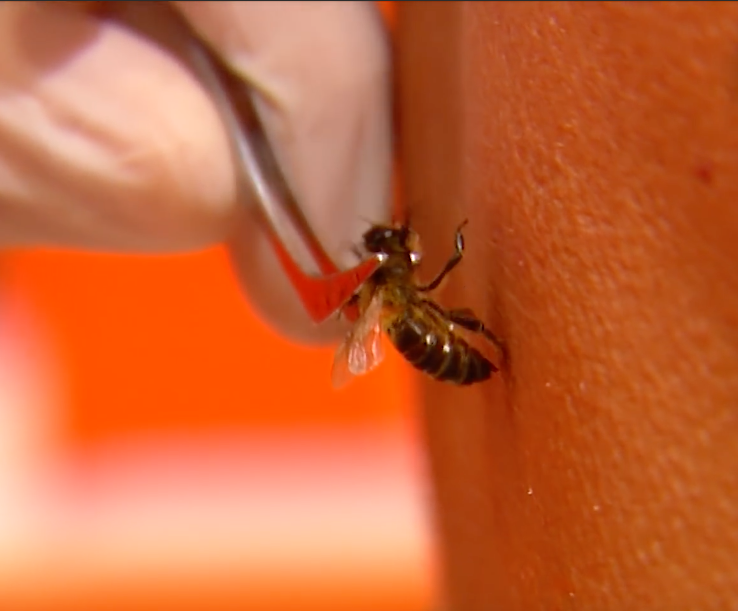
Xinhua also describes current practice: in March 2017 a traditional Chinese medicine hospital in Shenzhen introduced bee sting therapy for outpatients, who are first examined with X-rays and blood tests and observed for half an hour after the therapy, because a sting can cause an allergic reaction or anaphylactic shock. In April 2016 a branch for this therapy was set up within the Chinese Medical Association of Ethnic Minorities. The doctor says that he always combines the therapy with other methods of traditional and Western medicine, which has been usual in China since the 1950s. At the same time, the article notes that many health professionals warn there is no evidence from conventional medicine that the venom is effective [51].
In Korea, bee venom entered traditional Korean medicine as pharmacopuncture: herbal or animal extracts are injected into acupuncture points. The exact origin is unknown; it is thought to have been used since the beginning of the 20th century (a report in the newspaper Kwonup in 1914), and the book God’s Medicine by Il-Hun Kim is said to have mentioned injections of bee and snake venom before 1945. Real research began in the 1960s with Sang-Chun Nam, and in 1990 the Korean Institute of Pharmacopuncture standardised the term [52]. Among these preparations, bee venom is the one most often studied in research into mechanisms of action [52]. Korean authors warn that even a small amount of venom can trigger anaphylactic shock, so appropriate protocols and protection against side effects must be known [52]. They also developed »sweet bee venom«, purified melittin without the major allergens such as phospholipase A2, to reduce allergic reactions [52]. According to a 2021 study, bee venom accounted for 99.06% of the production of animal venom preparations among the manufacturers who responded to the survey (data for 2018) [53].
Western medicine
In Western Europe and North America, the only officially recognised medical use today is the desensitisation of people who are allergic to venom [8, 24]. Here the venom is used in the opposite role: not to treat disease, but to protect against its allergenic effects.
What history really tells us
The history of bee venom is a history of observation, with insufficient scientific proof. Terč and Beck recorded what they saw. That is valuable, but it does not replace controlled research. I write about what such research shows today in the last note.
Sources
[8] FAO: Value-added products from beekeeping, chapter on bee venom. https://www.fao.org/4/w0076E/w0076e18.htm
[15] Wikipedia: Apitherapy. https://en.wikipedia.org/wiki/Apitherapy
[16] Wikipedia: Bodog F. Beck. Mayer J.: Famous Yet Forgotten Natives of Baja: Bódog Beck, the Father of Apitherapy. Apis 2024. https://en.wikipedia.org/wiki/Bodog_F._Beck
[17] Beck B. F.: Bee Venom Therapy. D. Appleton-Century, New York and London 1935 (library record, Wellcome Collection). The preface is quoted from the reprint The Bible of Bee Venom Therapy (Health Resources Press, 1997), p. ix. https://wellcomecollection.org/works/av9r7rb3
[18] Filip Terč, biography (Significant Cemeteries). https://www.significantcemeteries.org/2010/01/filip-terc.html
[23] Golob S., Košnik M.: Čebelji strup (Bee venom). Slovenian Beekeepers’ Association, Public Advisory Service in Beekeeping, Brdo pri Lukovici 2024 (ISBN 978-961-6516-93-8). No online link; the brochure is available in print and as a PDF.
[24] Slovenian Beekeepers’ Association: Čebelji strup (Bee venom). https://czs.si/izobrazevanje/o-cebelah/cebelji-pridelki/cebelji-strup/
[31] Mraz C.: An Introduction to Bee Venom Therapy, 5 June 1981 (introduction to the reprint of Beck’s book, American Apitherapy Society material). https://www.kalamazoobeeclub.com/wp-content/uploads/2019/09/Apitherapy-Handout-BVT-Introduction.pdf
[32] Bee Culture: Three Generations of Beekeeping (on the Mraz family and Champlain Valley Apiaries). https://beeculture.com/?p=14059
[33] American Apitherapy Society: About. https://www.apitherapy.org/about
[34] Beck B. F.: Honey and Health: A Nutrimental, Medicinal and Historical Commentary. Robert M. McBride and Company, New York 1938 (digital copy, Internet Archive). https://ia601202.us.archive.org/30/items/honeyhealth00beck/honeyhealth00beck.pdf
[35] Deseret News: Therapy in a bee’s sting (on Pat Wagner), 24 September 1997. https://www.deseret.com/1997/9/24/19335891/therapy-in-a-bee-s-sting/
[36] Novella S.: Bee Venom Therapy. Science-Based Medicine, 26 November 2008. https://sciencebasedmedicine.org/bee-venom-therapy-grassroots-medicine/
[37] LifeLines: Bee Sting Therapy for Multiple Sclerosis (summarises Pat Wagner’s website and a study in the journal Neurology). https://lifelinesblog.com/2011/02/02/bee-sting-therapy-for-multiple-sclerosis/
[39] Simics M.: Bee Venom: Exploring the Healing Power (Age-Old Remedies for Arthritis, Rheumatism and Other Ailments). Apitronic Publishing, Richmond (B.C.) 1994, ISBN 0-9697654-0-1. The book is available as a PDF; no online link.
[40] Zavod Apium: Apiterapija (history of apitherapy, Dr Filip Terč). https://apium.si/apiterapija/
[41] Obrazi slovenskih pokrajin (Faces of Slovenian Regions): Filip Terč. https://www.obrazislovenskihpokrajin.si/oseba/filip-terc/
[42] Embassy of the Czech Republic in Ljubljana: Famous doctors of Czech origin in Slovenia (Filip Terč). https://mzv.gov.cz/ljubljana/cz/ceske_sledi_v_sloveniji/slavna_zdravnika_ceskih_korenin_v.html
[43] Neacşu C. (ed.): Apiterapia în România. Apimondia, Bucharest 2003 (2nd revised edition; 1st edition 1994). https://fiitea.org/foundation/files/Apiterapia_in_Romania_Dr._Constantin_NEACSU.pdf
[44] Wikipedia: Nikolay Artemov. https://en.wikipedia.org/wiki/Nikolay_Artemov
[45] Wikipedia: Vasily Krylov. https://en.wikipedia.org/wiki/Vasily_Krylov
[46] Apimed Serbia: Apitherapy through history and today. https://apimedsrbija.rs/en/apitherapy/apitherapy-through-history-and-today/
[47] FamilyTime: Miraculous Cure From Multiple Sclerosis, It’s a Miracle (television programme, 15 min; Pat Wagner tells her own story). https://www.youtube.com/watch?v=MioiSkd_f6w
[51] Xinhua: Across China: Bee sting therapy gets China buzzing, 9 February 2018 (report from Shenzhen). https://www.xinhuanet.com/english/2018-02/09/c_136962321.htm
[52] Lee K.-H., Cho Y.-Y., Kim S., Sun S.-H.: History of Research on Pharmacopuncture in Korea. Journal of Pharmacopuncture 2016; 19(2): 101 to 108. https://pmc.ncbi.nlm.nih.gov/articles/PMC4931294/
[53] Animal Venom for Medical Usage in Pharmacopuncture in Korean Medicine: Current Status and Clinical Implication. Toxins 2021; 13(2): 105. https://doi.org/10.3390/toxins13020105
[54] UATV English: Apitherapy | Made in Ukraine (television programme, 13 min, YouTube; Ukrainian state television). https://www.youtube.com/watch?v=14QCUbdFSTU
[55] Euronews Next: The Bee-lievers (television report, 4 min, YouTube, around 2015). https://www.youtube.com/watch?v=pLriv0TLNas
[56] Presentation of the Department of Alternative Medicine and Rehabilitation, Danylo Halytsky Lviv National Medical University (video Apitherapy/Bee Venom Therapy, channel Apiterapia ua, 40 min, YouTube, 8 October 2017). I transcribed the audio with an automatic tool, so the names and some figures are less reliable. https://www.youtube.com/watch?v=0jRMQXEvBx0
[57] Kalle R. et al. (2025): Beekeepers as guardians of apitherapeutic knowledge in Estonia, SW Ukraine, and NE Italy. J Ethnobiol Ethnomed 21:15. https://pmc.ncbi.nlm.nih.gov/articles/PMC11895261/
[58] Beremytske Nature Park: Apiary (sleeping on hives). https://beremytske.com.ua/en/other-services/apiary-sleeping-on-hives/
[59] Penn State Extension: Beekeeping Around the World: Ukraine (webinar). https://extension.psu.edu/beekeeping-around-the-world-ukraine
[60] Kozyavkin Medical Center, Lviv: Apitherapy. https://lviv.kozyavkin.com/eng/apitherapy
[61] Golden Bee (Ukraine): apitherapy houses. https://goldenbee.in.ua/en/
[62] Kyiv Ukraine Tours: Kiev Apitherapy and Hippotherapy Tour. https://ukraine-kiev-tour.com/kiev-apitherapy-hippotherapy-tour.html
[63] Lykhatskyi Bees: Sleeping on hives (vulykoterapiya), online shop. https://shop-18216.e3.co.ua/eng/shop/son-na-vulikah-vulikoterapiya/
[64] Solodenko Y., Geveliuk N.: Apitherapy in Ukraine: Past, Present and Perspectives (Scribd). The text is OCR-scanned and garbled; the authors are representatives of the Apiacademy. https://www.scribd.com/document/270598759/Dr-Solodenko-Nikolay-Geveliuk-Apitherapy-in-Ukraine-Past-Present-and-Future-Full-Article