Origin of the ingredients
Origin determines what the body receives. That is why I know where every ingredient comes from. This page sets out what I consider a condition of quality.
Bees
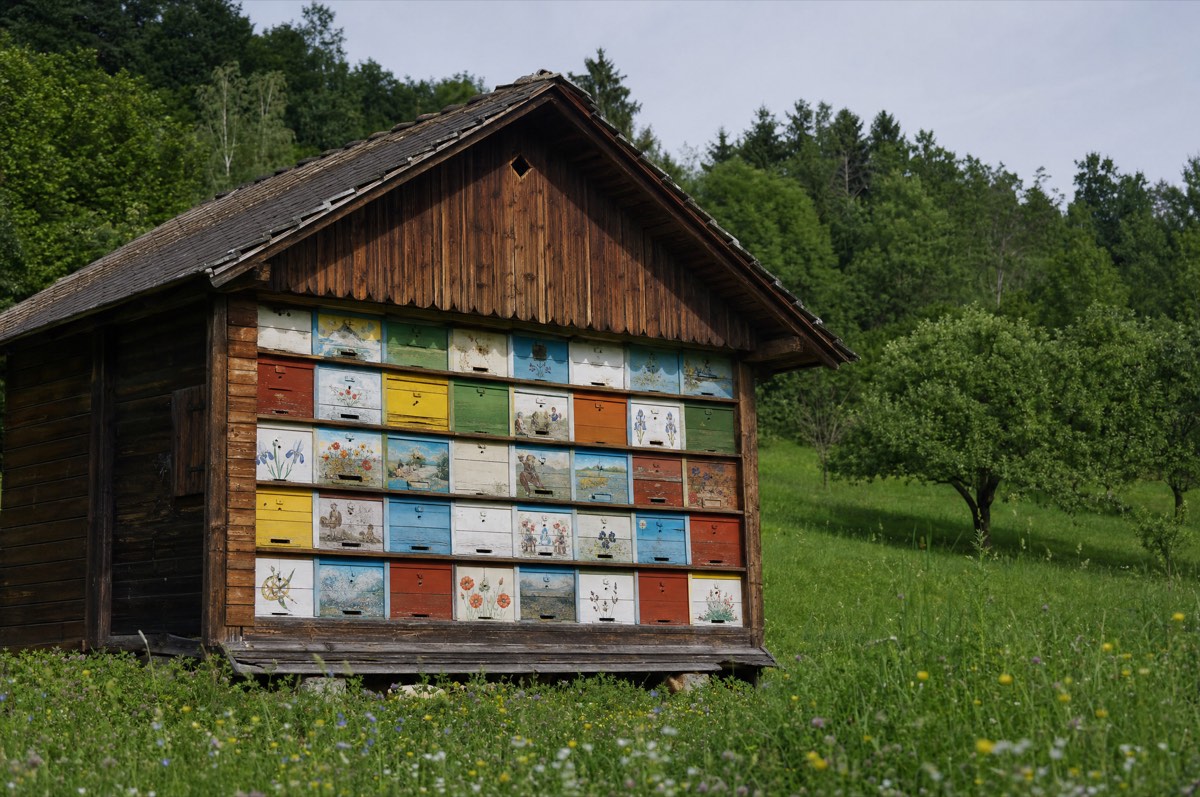
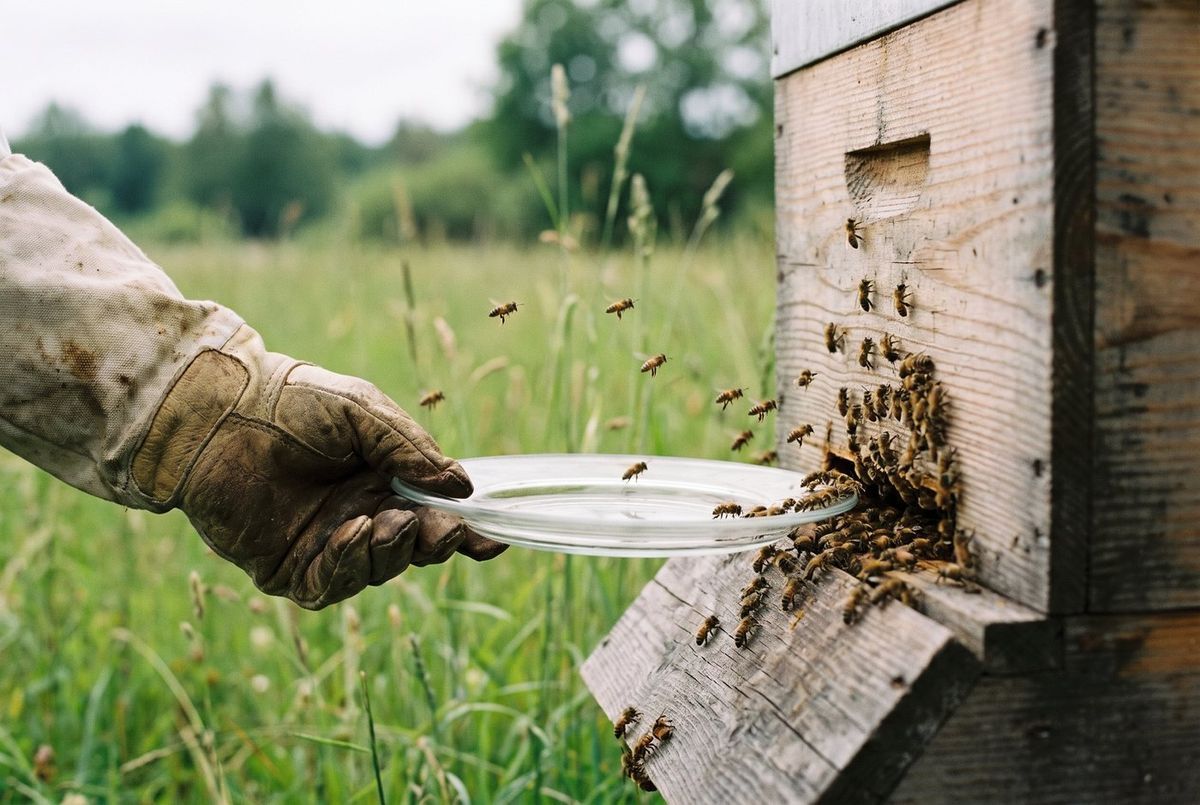
The beeswax and bee venom come from Slovenian apiaries, and laboratory analyses confirm they are free of harmful substances. I work with beekeepers I know personally and whose methods I can check at any time.
I only work with beekeepers who keep bees sustainably, without artificial agents against varroa or for treating the bees. Only in this way can I guarantee the purity of the ingredients you apply to your skin. The beeswax is sustainably produced, and the venom is collected by a method that does not harm the bees, described below. Anyone who knows bees knows that a healthy colony is the first condition for a clean raw material.
Ethical venom collection
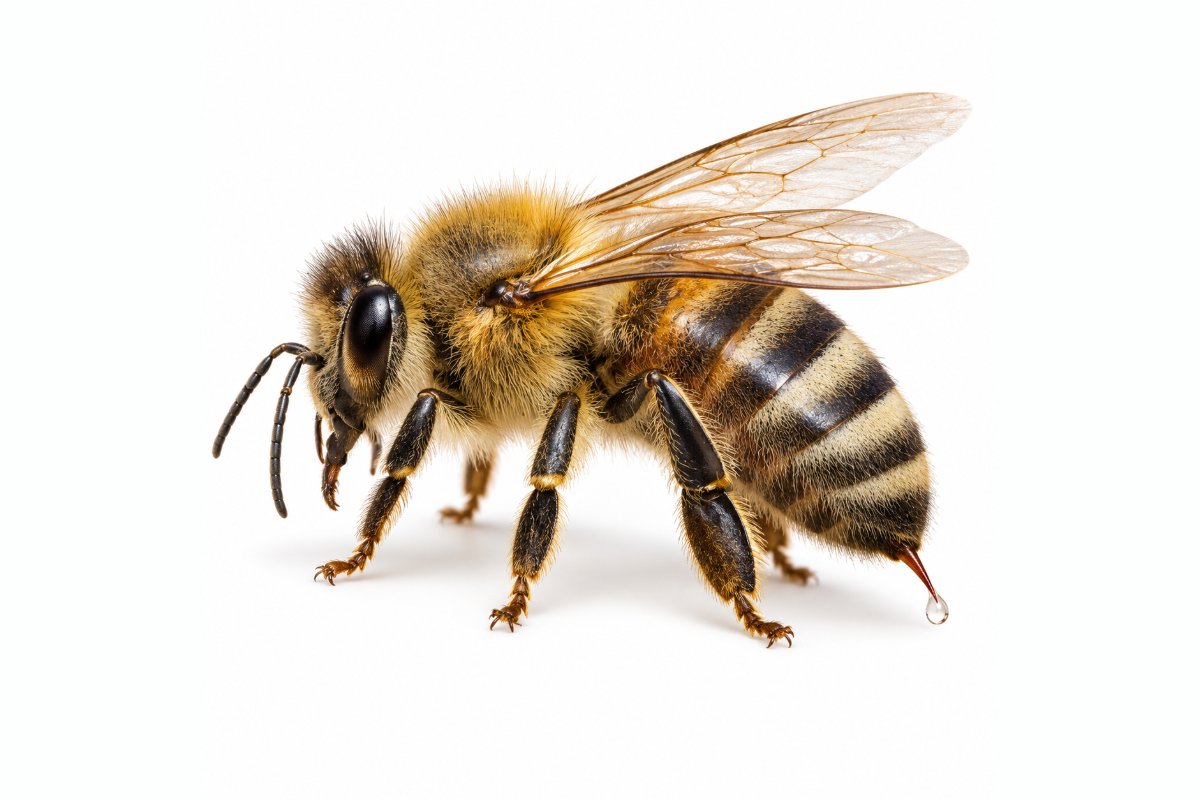
In response to a mild electrical impulse, the bees release a drop of venom onto a glass plate. They do not damage their sting and carry on with their work afterwards. The producer collects the venom from the plate; I take it over and store it. It enters the balm in a precisely measured share: 0.1 percent in the Massage Balm and 0.05 percent in the Skin Care Balm. The concentration is a considered decision based on my knowledge and past experience.
Bee venom
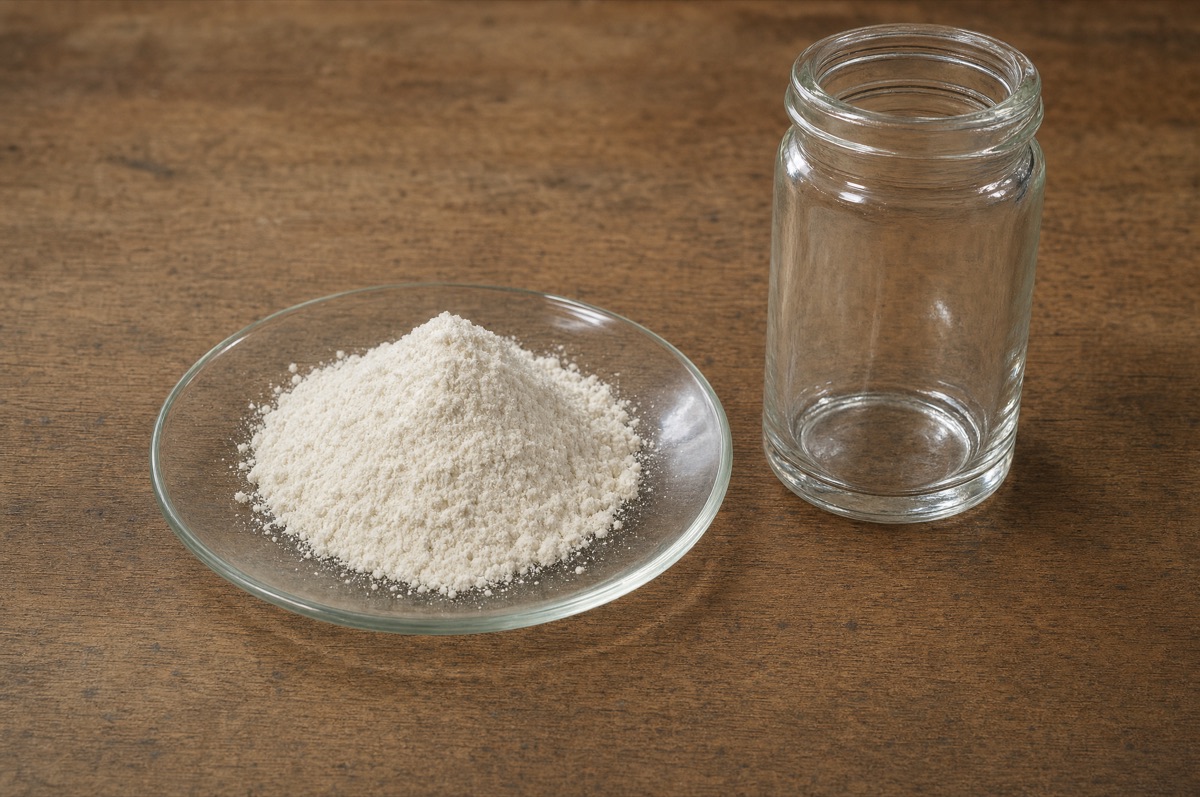
Bee venom, technically apitoxin, is the secretion of the bee's venom gland, which the bee uses to defend the hive. Fresh, it is a colourless, bitter liquid that dries into a fine powder, white to slightly greyish in colour.
It consists mainly of proteins and peptides, together with enzymes, amino acids and other natural substances. Its most abundant component is the peptide melittin, which is also considered one of the main measures of venom quality. Bee venom has mild antiseptic and regenerative properties and helps reduce visible signs of ageing, particularly wrinkles.
I dissolve the venom in 8 ml of water per kilogram of balm, so water makes up less than 1% of the balm. At such a small share it does not affect the properties of the balm, so I do not count it among the four ingredients. It is listed in the INCI ingredient list as Aqua.
Bee venom quality
The quality of the venom depends on how it is collected, its purity and its storage. Pure venom is white to greyish. Yellow and brown tones indicate impurities such as pollen, nectar or hive debris, which reduce its quality. The venom is sensitive to moisture and air, so once dried I keep it in a tightly closed container in the freezer.
Because the share of melittin is one of the main measures of quality, I monitor it. Every year the producer sends the venom for laboratory analysis. The results for three consecutive years (2023, 2024 and 2025) show a melittin share above 67 percent each time, ranging from 67.8 to 71 percent. This is above the usual range given in the scientific literature (40 to 60 percent). The same results confirm pure venom without impurities.
Herbs
I prepare the chamomile and Italian immortelle by hand. I grow some of the herbs myself; the rest come from trusted sources that I know and visit personally.
Picking at the right time is a matter of herbal know-how: the flower must be open, the day dry, the site clean. I dry the flowers and prepare them for maceration in the same season. I gained the knowledge for this work through training in growing and processing herbs and through years of work.
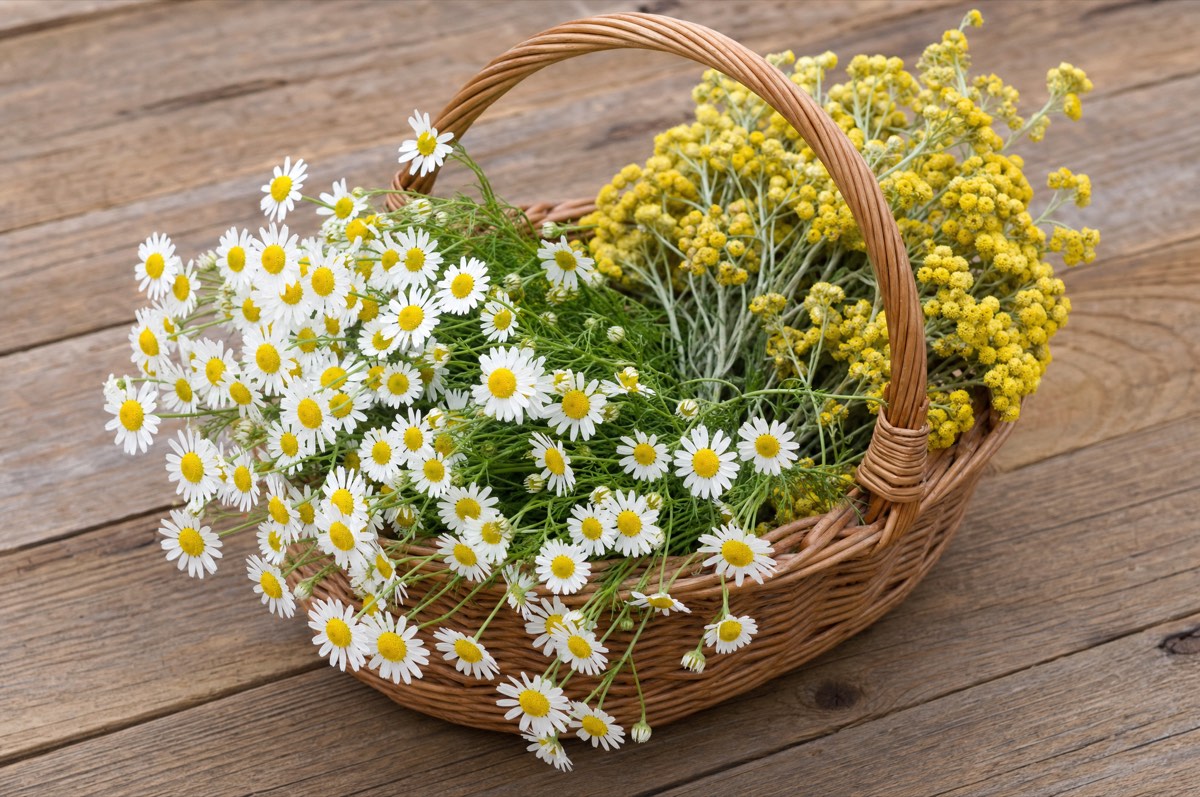
Chamomile
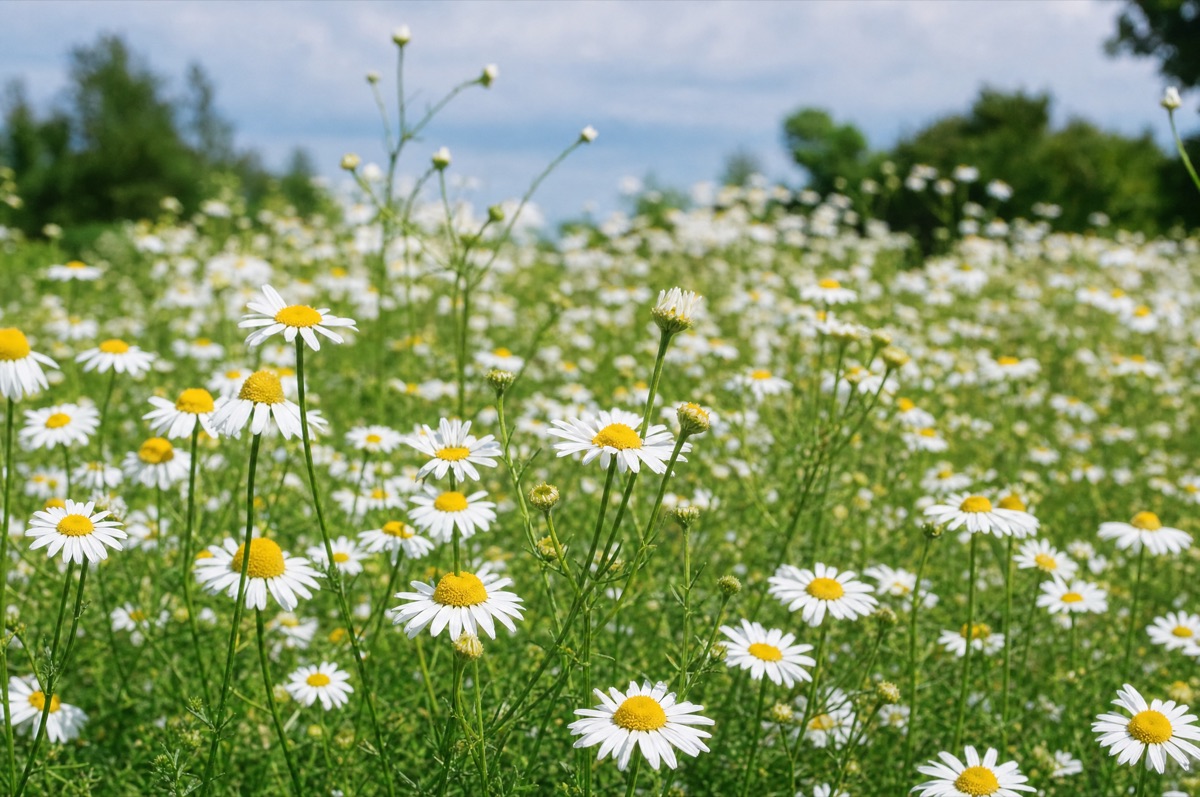
Chamomile (Matricaria chamomilla) is one of the most valued herbs in natural care. It goes into the balm as an oil macerate of the flowers. I grow some chamomile myself, but most of it comes from trusted growers in Croatia. Chamomile soothes irritated and sensitive skin and gives it a feeling of calm.
How it complements the others: In the Massage Balm it combines with bee venom. The venom is a distinctive natural ingredient; chamomile balances the care and brings gentleness to the skin.
Italian immortelle
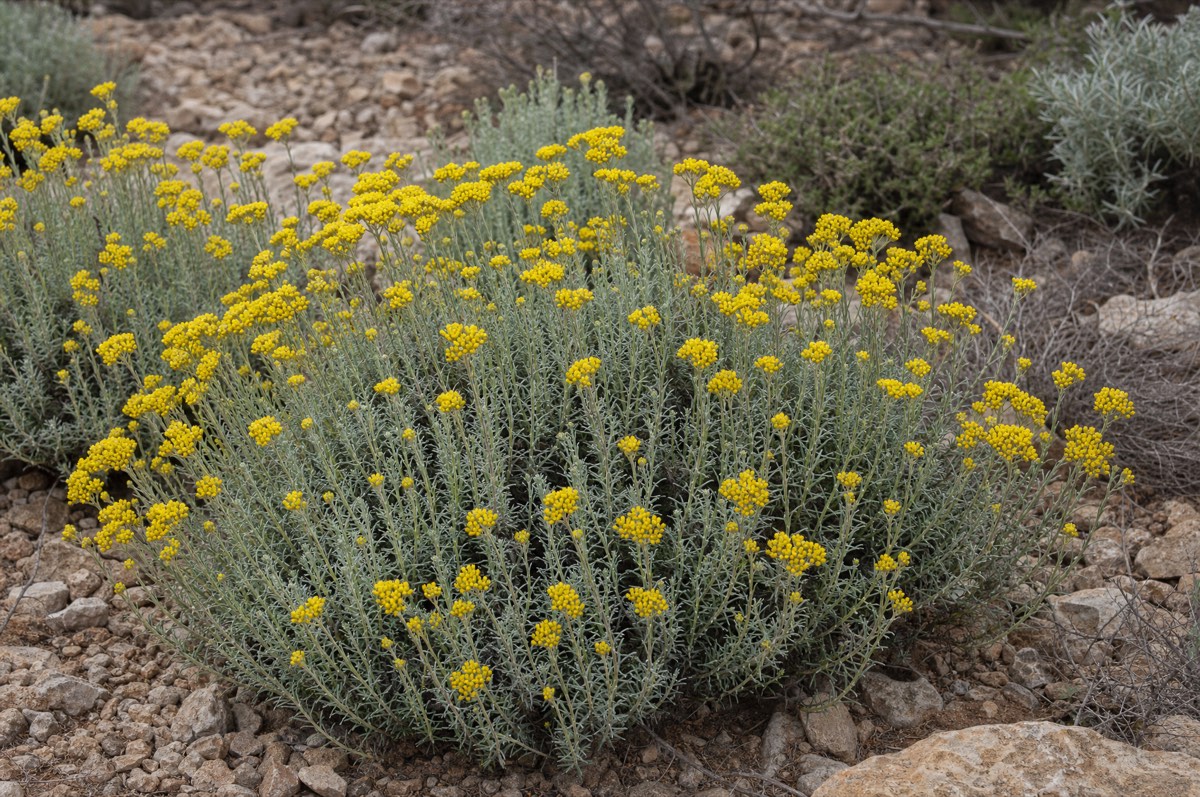
Italian immortelle (Helichrysum italicum), also called the everlasting flower, is a sought-after ingredient in natural skin care. It goes into the balm as an oil macerate of the flowers. It comes from the island of Krk and from Lokavec near Ajdovščina, and I grow some myself. Immortelle has a beneficial effect on the skin, keeps it cared for and contributes to the appearance of smoother, more even skin.
How it complements the others: In the Skin Care Balm it combines with bee venom. It helps renew and rejuvenate the skin and reduces age-related wrinkles, scars and stretch marks.
Oil macerate
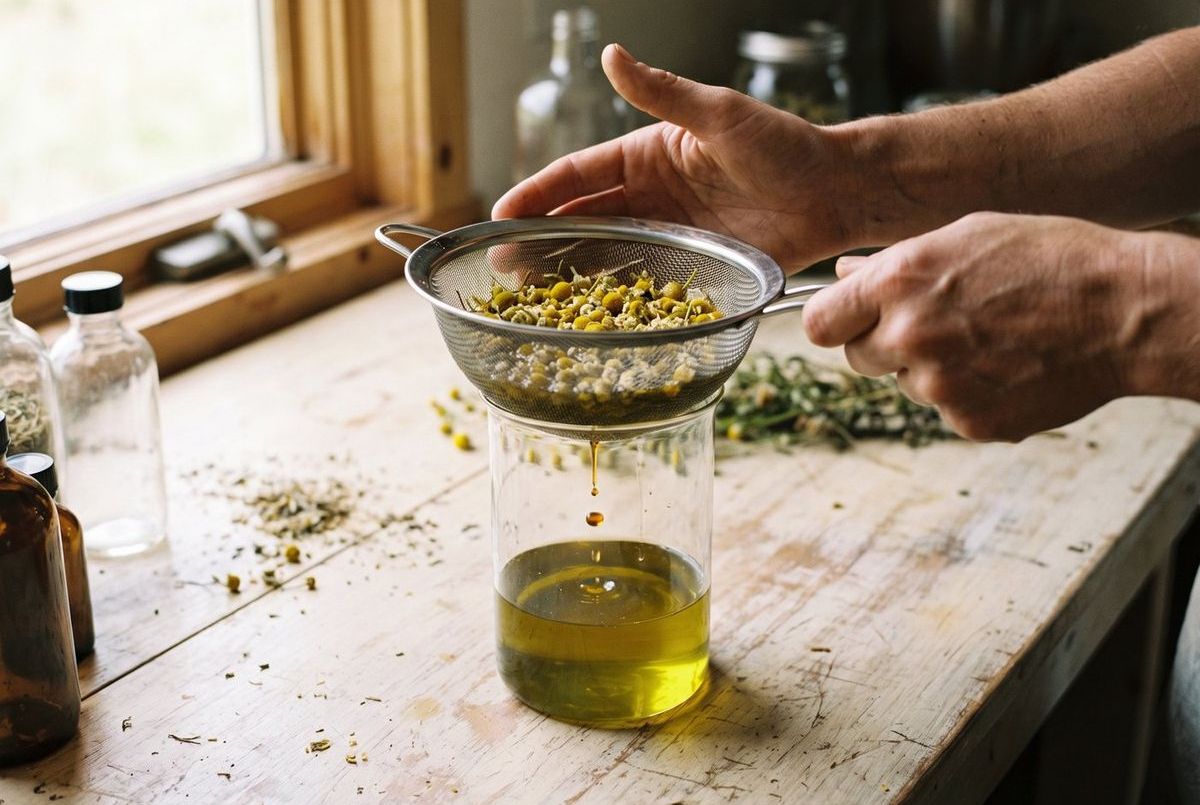
I cover the dried flowers with cold-pressed extra virgin olive oil and leave them for twenty-one days. The length of maceration affects how many natural substances the oil takes up from the flower. Slowly, the oil takes up what the flower can give, without solvents and without haste. Then I strain the macerate, and it is ready for the balm.
How it complements the others: The macerate is the link between the plant and the oil. The oil becomes the carrier of the flower's character and, in the balm, carries it to the skin.
Extra virgin olive oil
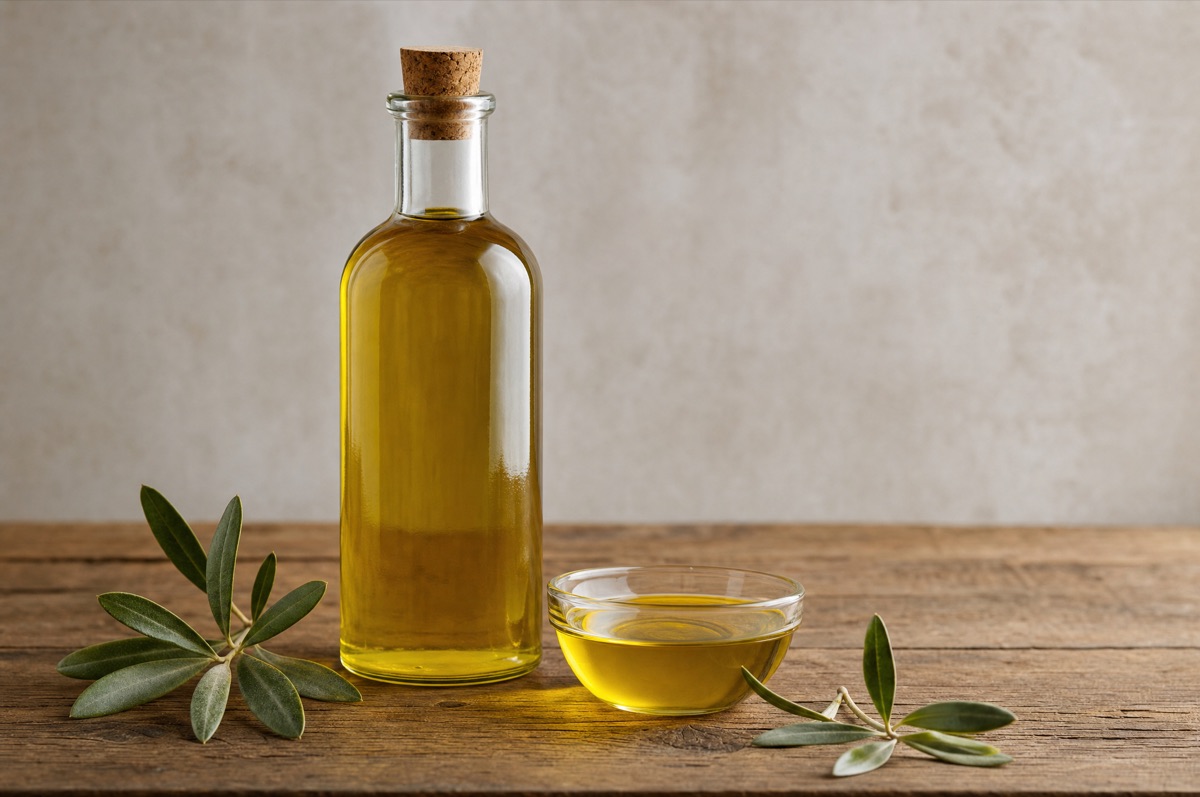
The base of both balms is cold-pressed extra virgin olive oil. It is a rich, nourishing oil that naturally contains vitamin E and nourishing fatty acids. It softens and nourishes the skin and leaves it feeling smooth, while forming a light film that helps keep the skin moisturised. In the balm it does two jobs at once: it cares for the skin and it is the carrier in which I macerate the flowers, so it brings the character of chamomile or immortelle into the balm.
How it complements the others: It is not just a filler but part of the formula. The macerate is made in it, the wax dissolves in it, and the venom is evenly distributed through it.
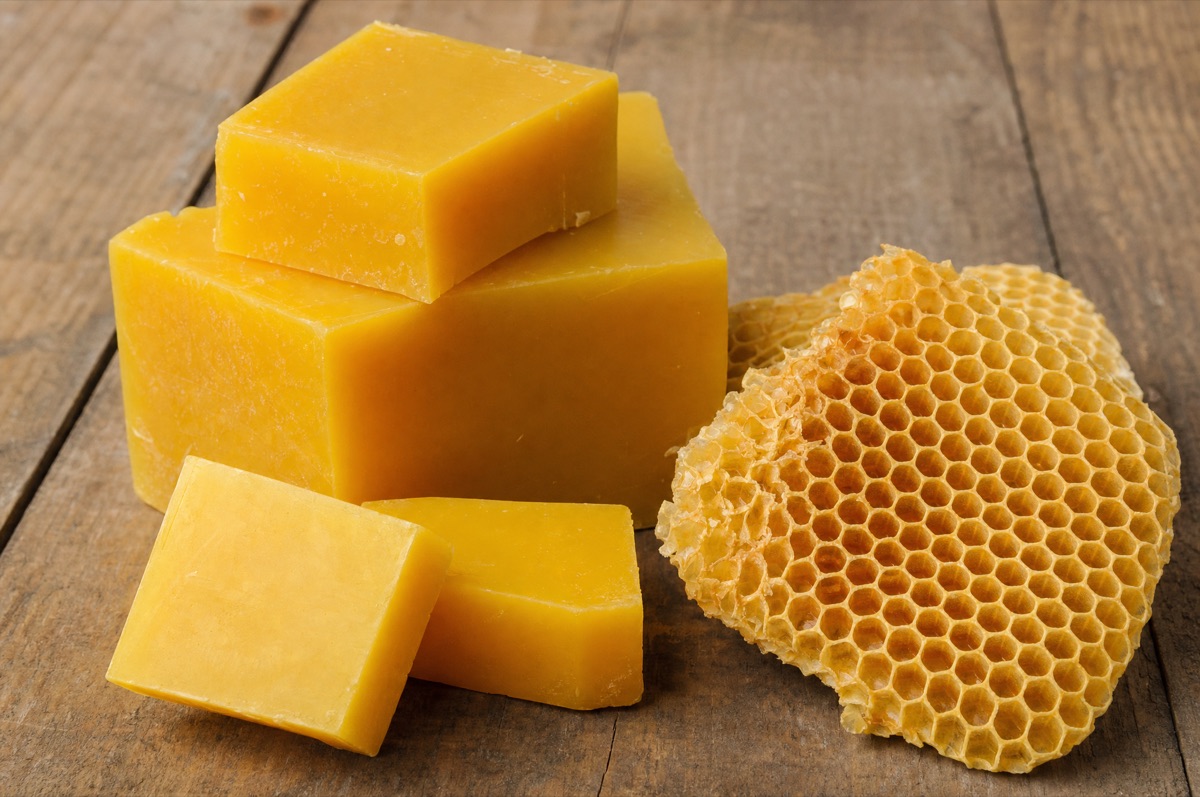
Beeswax
Beeswax gives the balm its structure. It ensures a firm yet spreadable texture and forms a thin, breathable film on the skin that helps retain moisture and protects against external influences. Because the balm contains no water, the wax naturally thickens the fatty base, so I need no synthetic emulsifiers or preservatives.
How it complements the others: Together, the wax and the oil form the carrier base of the balm. Within this base, the macerate and the bee venom find their place and remain stable.
Why this is the right formula
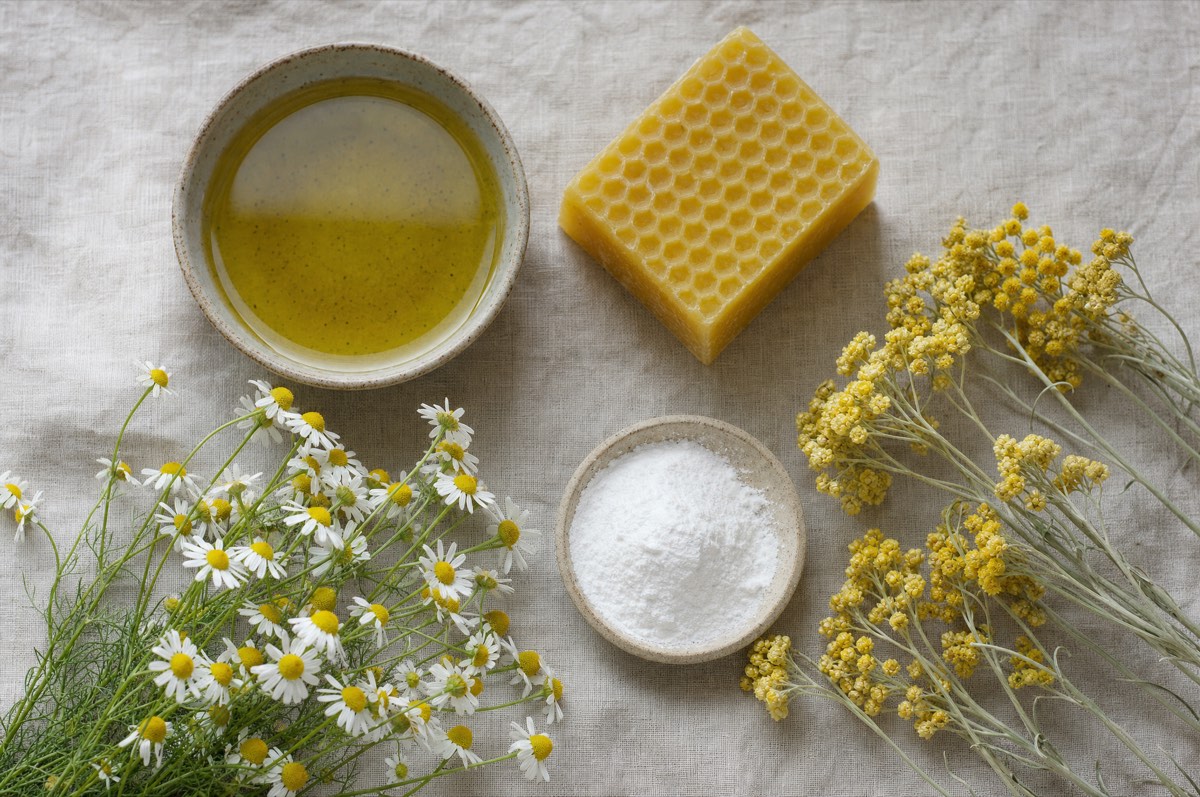
Each balm consists of four ingredients, each with a clear role. Extra virgin olive oil cares for the skin and is the carrier. Beeswax gives structure and a protective film. The chamomile or Italian immortelle oil macerate brings the character of the plant. Bee venom is a distinctive, disclosed natural ingredient.
The ingredients complement each other: the oil and wax form a water-free base that carries and protects, so the balm needs no synthetic preservatives, while the macerate and the venom give it its character. This is not a random mixture but a considered formula in which each ingredient supports the others, so that the balm cares for the skin and is pleasantly absorbed.
Production and control
I formulate, make and test the balms myself. My name and address are on the label of every jar. Production follows the good manufacturing practice guidelines EN ISO 22716. Every batch has a LOT number. Both balms have also passed standard and cyclic stability tests, and their shelf life is set at two years. Cosmetics in the EU are not tested on animals, and this applies to all my products as well.
These raw materials make two balms. How each of them works is described on its own page.
I write about the processes in the Notes from the Workshop.